The roads ahead of Wembanyama
We have seen all-timers early in their careers follow different paths from their first Finals appearances. Where will these Spurs go?

We have seen all-timers early in their careers follow different paths from their first Finals appearances. Where will these Spurs go?
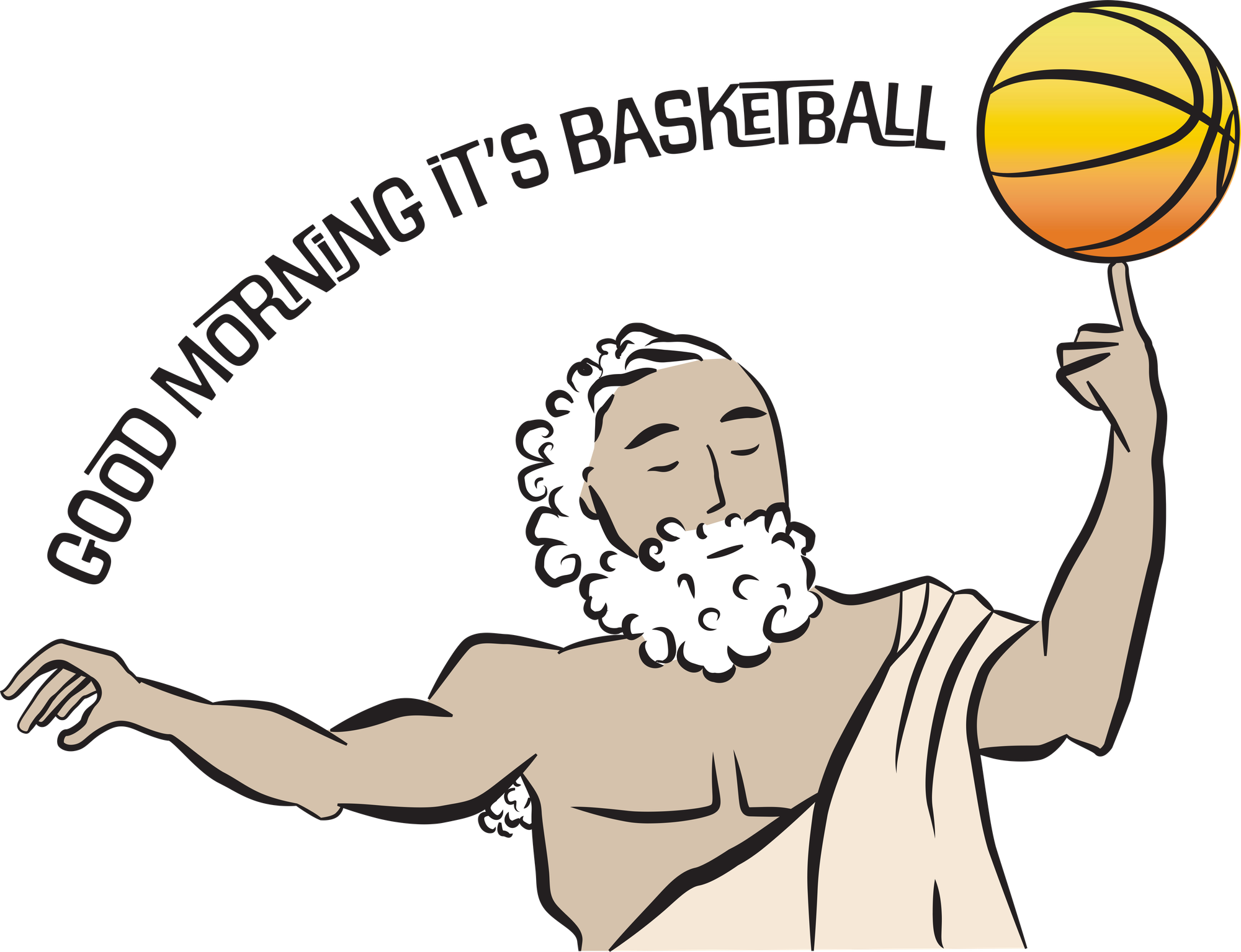
Good morning. Are you ready for Game 2? Let's basketball.
LeBron James, age 22, in his fourth season.
Kevin Durant, age 23, in his fifth season.
Tim Duncan, age 23, in his second season.
All of those players led their teams to the NBA Finals at those precocious ages as the clear best player on their squads. LeBron's Cavaliers got smoked and he didn't get back to the Finals for four years ... with a different franchise. But he won four championships within nine years as the best player on each team. Durant's Thunder got smoked (by LeBron's Heat, no less) and he didn't get back to the Finals for five years ... with a different franchise. He won two championships as an equal co-star to Steph Curry in Golden State, and hasn't made the Finals since leaving that warm embrace. Duncan's Spurs beat the Knicks handily in the 1999 Finals, and won a total of five championships spread over 16 years with Duncan moving to a complementary role by the end of it. He never changed teams.
Victor Wembanyama, age 22, in his third season.
He gets compared to Duncan most frequently because of the jersey, the position, the maturity and the leadership quotient. It's hard to avoid the comparison: Duncan himself is sitting right there for most of these games! But Duncan is not a blueprint. You can't blueprint yourself to five championships over 16 years. He's a model for how this can go if you luck into a humble, coachable superstar and nail the pieces around him consistently, which also often involves more luck. That's especially so in the modern NBA, where front offices are on more level ground.
The Spurs do seem to have nailed the pieces around him so far, at least with Stephon Castle and Dylan Harper. Duncan had Gregg Popovich; Mitch Johnson seems capable of leading this team for a decade, but the modern NBA is a bit more fickle, and this generation of Holts (the family that owns the Spurs) is more active than the last. But that's the model to follow, and it's helpful that it's the same franchise.
You mess up the supporting cast and you could end up with the 2000s Cavaliers, a great team that only made the single Finals series and watch the superstar push on for greener pastures ... where he won two titles before coming back to "finish the job" in Cleveland. You could argue that the 2010s Thunder didn't mess up the supporting cast – with an asterisk on that – and still didn't get back to the Finals due to terrible luck: ill-timed injuries and the unfortunate rise of Steph Curry's Warriors. The asterisk is the trade of James Harden just after the Finals. Given that the Thunder had Durant and a young Russell Westbrook, it seemed only in retrospect to be one of the biggest, most consequential trades of the 2010s. It's a pretty darn big asterisk.
I want to prevent one more cautionary tale here, lest we think the Spurs are etched in stone: